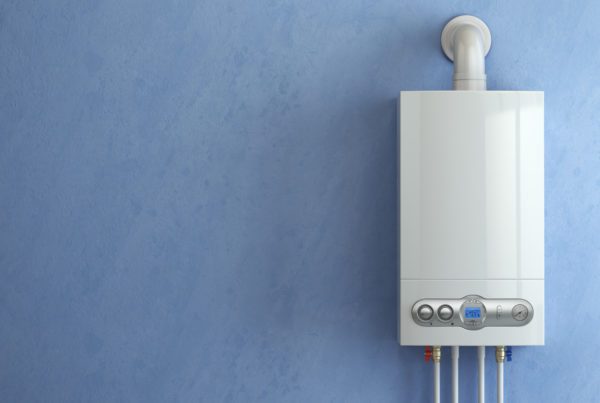

As the air turns cooler in New Caney, TX, homeowners begin preparing for the fall season and the inevitable shift in their heating needs. Whether you’re looking forward to cozying up with your family or preparing your home for the colder months, ensuring your heating system runs efficiently should be a priority. One of the most crucial components to maintaining efficiency, and in turn, saving on energy costs, is your HVAC air filter.
You might not always think about your HVAC air filter, but it plays a vital role in keeping your heating system running smoothly. A clean and efficient filter not only promotes good indoor air quality but also ensures that your heating system doesn’t have to work harder than necessary, which can lead to costly repairs or higher energy bills.
In this post, we will explore why the right air filter is important, how to choose the best one for your heating system, and how it can help you maximize energy efficiency this fall. Whether you’re a seasoned homeowner or a first-time HVAC user, understanding the right filter choice can save you time, money, and stress during the colder months.
Why Your Air Filter Matters
To better understand the importance of air filters, let’s break down the role they play in your heating system. Air filters trap dirt, dust, and debris that can otherwise clog up your system’s components. Without proper filtration, dust and debris can enter your HVAC system and damage parts like the blower fan or heat exchanger, reducing the overall efficiency and lifespan of your system.
But beyond just keeping your system clean, air filters also have a direct impact on indoor air quality. Poor indoor air quality can contribute to a variety of health problems, especially for individuals who suffer from allergies or asthma. Dust, pollen, pet dander, and other particles can circulate through your home if your air filter is ineffective or clogged.
As you prepare for fall in New Caney, TX, choosing the right air filter can help you keep your home warm, your energy costs low, and the air inside your home clean and comfortable.
The Connection Between Air Filters and Heating Efficiency
When it comes to heating efficiency, the air filter is one of the most overlooked components. An air filter’s job is to allow air to flow freely through your HVAC system while capturing harmful particles. If the filter becomes clogged with dust, dirt, or debris, airflow becomes restricted. When airflow is restricted, your heating system has to work harder to pump warm air through your home, leading to increased energy consumption and potentially higher utility bills.
A clean, high-efficiency filter, on the other hand, allows your system to operate at its best, ensuring that it doesn’t have to overexert itself to heat your home. In fact, replacing your filter regularly can help you reduce energy consumption by as much as 15%, according to the U.S. Department of Energy. That’s a significant savings that can add up over time.
Types of Air Filters and Their Impact on Heating Efficiency
Not all air filters are created equal, and the type you choose can greatly influence your heating system’s performance. Here are some of the most common types of air filters and how they impact efficiency:
1. Fiberglass Filters
Fiberglass filters are the most basic type of air filter available. They are inexpensive and disposable, but they also offer the least amount of filtration. While they are capable of trapping large particles like dust and lint, they won’t do much for smaller particles like pollen, bacteria, or pet dander.
2. Pleated Filters
Pleated filters are a more efficient option than fiberglass filters. Made from polyester or cotton, they have a larger surface area, allowing them to capture more dust and debris. Pleated filters offer a better balance of price and performance, making them a popular choice for many homeowners. They’re also more effective at improving indoor air quality and reducing allergens.
3. HEPA Filters
High-Efficiency Particulate Air (HEPA) filters are among the most advanced filters available. These filters can trap up to 99.97% of particles that are 0.3 microns or larger in size. HEPA filters are ideal for homeowners with respiratory issues, allergies, or asthma. However, they can be more expensive than other types of filters and may require more frequent changes to maintain efficiency. HEPA filters can be a good option for heating systems that support high-efficiency filtration, but it’s important to consult your HVAC professional before installing one.
4. Electrostatic Filters
Electrostatic filters are washable and reusable, offering a long-term solution for homeowners who want to reduce their waste. These filters use static electricity to attract and trap dust, dirt, and other particles. Electrostatic filters are often more efficient than fiberglass filters, but they may not capture as many particles as pleated or HEPA filters. They can also become less effective over time if not cleaned regularly.
5. Washable Filters
Washable filters are designed to be cleaned and reused, offering a cost-effective alternative to disposable filters. While they can trap a variety of particles, their filtration efficiency may not be as high as that of pleated or HEPA filters. However, they are still a good choice for homeowners looking for an eco-friendly solution.
6. Carbon Filters
Carbon filters are primarily designed to improve indoor air quality by removing odors, smoke, and other airborne chemicals. While they are not as effective at trapping dust and debris, they can provide an extra layer of filtration if you’re concerned about odors or pollutants in your home. They are often used in combination with other filters to provide comprehensive filtration.
How to Choose the Right Air Filter for Your Heating System
When it comes to selecting the right air filter, there are several factors to consider. Here’s a step-by-step guide to help you make an informed decision:
1. Check Your System’s Requirements
Before you start shopping for air filters, consult your HVAC system’s user manual or check with a professional to find out what type of filter your system is designed to handle. Using the wrong size or type of filter could cause airflow issues and reduce heating efficiency. Most systems require a 1-inch or 2-inch thick filter, but some high-efficiency systems may support thicker filters.
2. Consider the MERV Rating
The Minimum Efficiency Reporting Value (MERV) rating is a scale used to measure the efficiency of air filters. The higher the MERV rating, the better the filter is at trapping small particles. For most residential heating systems, a filter with a MERV rating of 7 to 13 is ideal. A higher rating may be too restrictive for some systems, so it’s essential to ensure that the filter you choose is compatible with your heating system.
3. Consider Your Air Quality Needs
If anyone in your household suffers from allergies, asthma, or respiratory issues, you may want to invest in a higher-quality filter, such as a pleated or HEPA filter. These filters are more effective at trapping small particles that can trigger allergy symptoms. If you have pets or live in an area with high pollen counts, a higher-quality filter can improve your home’s air quality significantly.
4. Maintenance and Replacement Schedule
Air filters need to be replaced regularly to maintain optimal efficiency. A clogged filter can increase strain on your heating system, leading to higher energy bills and potential system breakdowns. It’s recommended to change your filter every 1 to 3 months, depending on the type of filter you use and how often your system runs. High-efficiency filters may require more frequent changes than standard fiberglass filters.
5. Look for Eco-Friendly Options
If you’re environmentally conscious, consider choosing a reusable filter, such as an electrostatic or washable filter. While these options may cost more upfront, they can save you money in the long run since they don’t need to be replaced as often.
Benefits of Choosing the Right Air Filter for Your Heating System
The right air filter offers several key benefits that go beyond just maintaining heating efficiency:
- Improved Air Quality: A high-quality filter can help reduce dust, allergens, and pollutants, creating a healthier indoor environment for you and your family.
- Lower Energy Bills: A clean filter improves airflow, reducing strain on your heating system and leading to energy savings.
- Increased System Lifespan: A well-maintained filter protects your heating system from dust and debris, preventing damage to vital components and prolonging the life of your system.
- Better Heating Performance: With the right filter, your heating system can maintain consistent airflow, ensuring that your home is heated evenly and efficiently.
For Air Filter Services in New Caney, TX, Contact Guy’s Air Conditioning & Heating Today
Choosing the right air filter is just one step in ensuring your heating system operates at its best this fall. If you’re unsure about which filter to choose, or if your HVAC system needs maintenance, Guy’s Air Conditioning & Heating is here to help.
Our team of HVAC professionals in New Caney, TX, is committed to providing top-notch air filter services and heating system maintenance. We can help you choose the right filter for your system, install it, and ensure that your heating system is running efficiently all season long.
Don’t let poor air quality or a clogged filter affect your comfort and energy bills. Contact Guy’s Air Conditioning & Heating today to schedule an appointment and let us help you keep your home warm, safe, and energy-efficient this fall.