How cold is 40 degrees Fahrenheit?
To some extent, it depends on who you ask. Someone who lives in Alaska might call it T-shirt weather. But for someone who lives in New Caney, Texas with its sweltering 90 degree summers will find it more than a little nippy.
If you live in a warm area with moderate winters like New Caney, no doubt you appreciate your AC a lot. Regardless, when that thermometer drops, you’ll appreciate your furnace just as much.
Looking to install a new one? You have a lot of options. Check out these types of furnaces that you can choose from.
Central Heating Furnaces
The majority of American households rely on some type of central heating system for heating their homes. These systems use a central combustor or resistance unit that warms the air.
This air then flows through a duct system to be distributed throughout the entire house.
Forced-air systems include a fan that forces the warmed air through the ducts. Gravity furnaces rely on gravity and the natural flow of warm air going up and cold air going down to move air through the system.
Central heating furnaces are available with several different fuel sources.
Gas Furnace
About 48% of American households use natural gas for heating, making it the most common fuel source for heating in the U.S.
Natural gas travels to your home through a pipeline which means that it has to be available in your area in order to choose this type of heating. However, it also means that you don’t have to worry about refilling, the gas will always be flowing to your home. (Except in the rare event of a leak that shuts down the pipeline until it can be fixed).
Gas furnaces are highly efficient, 90%-95% or higher. As a fuel source, gas is cheap and this contributes to its popularity.
Electric Furnaces
Electricity is the next most common source of energy for heating with 37% of homes using it. A big benefit of electric furnaces is that they tend to be cheaper to set up. Plus, they are physically smaller, making it easier to fit them in unobtrusively somewhere in your home.
In general, the rate of homes using electric furnaces is on the rise and the use of natural gas is declining. This may be due to the fact that newer homes have more efficient electrical systems, making it cheaper and easier to rely on electricity.
Oil Furnaces
Oil furnaces are common in the northeastern states. Being slightly less efficient than natural gas (85% or higher), people tend to choose them when natural gas is not available in their area. Some people also choose them because their upfront cost is cheaper.
Instead of flowing through a pipe like natural gas, the oil is stored in a tank on your property. You can either rent the tank or buy it. Be aware that you’ll have to keep an eye on how much oil you’re using so that you don’t run out of fuel in the dead of winter.
Propane Furnaces
Though not yet a hugely popular source of heat, propane is actually a really great choice for the environmentally-conscious. It burns so cleanly that some people are even retrofitting their cars to run on propane as a way to cut down on their emissions.
Like oil, you’ll need a tank on your property to store fuel and you’ll need to be aware of when it needs to be refilled.
Modulating Furnace
A modulating furnace is a bigger investment upfront but can provide long-term cost and energy-saving benefits. On a minute-to-minute basis, the furnace regulates the gas output to ensure even heating. Instead of turning on and off to heat the room as necessary, it burns slowly and steadily to maintain an even temperature.
People in colder climates love these furnaces as they ensure that the whole house is evenly heated. Plus, less energy is wasted in stopping and starting the furnace so you’ll see a bit of savings on your energy bill.
Boilers and Radiant Heating
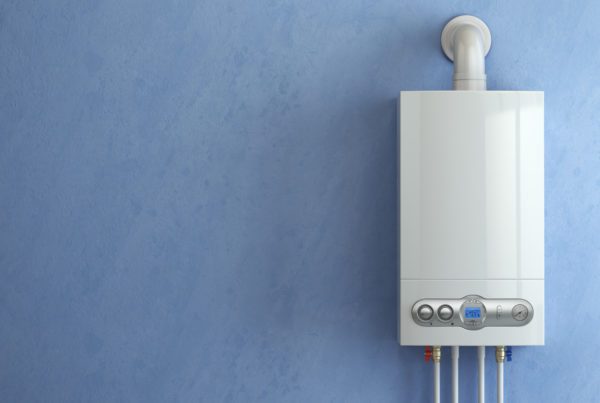
Water in the form of steam or hot water can also be used to heat a home. The furnace (called a boiler) heats the water in a central system. Then either steam or hot water is carried throughout the house to radiators or convectors in each room to distribute the heat.
Radiant heating involves running hot water through pipes in a concrete slab floor. This type of heat is very even and cozy as the heat emanates from the floor and warms the furniture. The only downside is that a cold house can take a while to heat up.
Heat Pumps
Heat pumps are a great option for people who need both AC and heating. They work by moving heat from inside to outside during the summer to cool the home. In the winter, they reverse and move heat from outside to inside.
As a result, heat pumps don’t work well in extremely cold temperatures. However, they are perfect for a moderate climate like ours here in New Caney, Texas.
Choosing Between Different Types of Furnaces
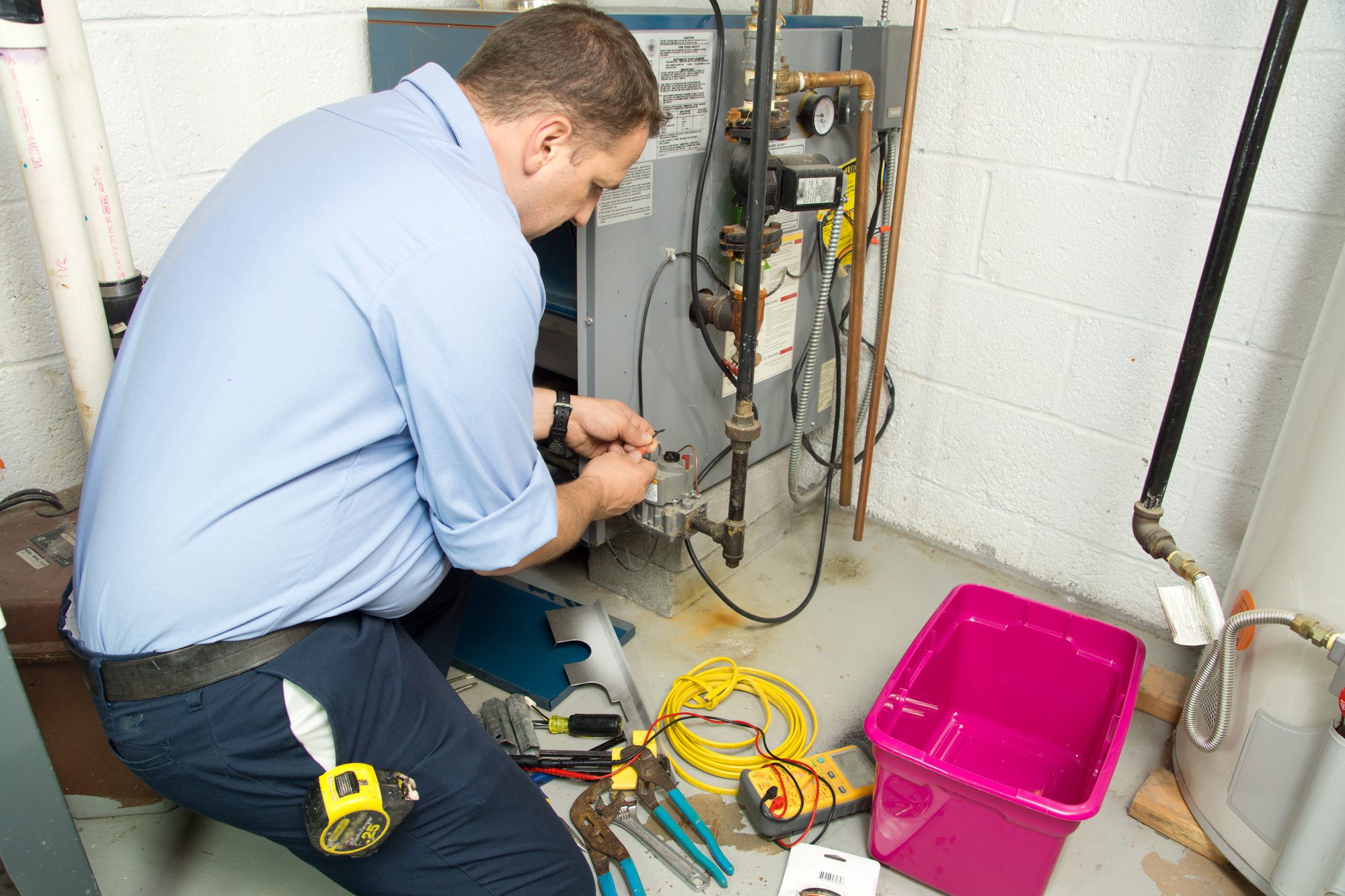
Though there are many types of furnaces, the right furnace for your home will depend on where you live and your particular home’s set up. Getting expert advice from a company that specializes in HVAC systems is a great way to help you decide.
Looking to purchase a new furnace? Reach out to us here at Guy’s AC. We’ll help you choose the best option for your home…and your wallet.